If your allergy symptoms seem worse after a restless night, you are not imagining it. Sleep and allergies are closely related, and each can influence the other. Allergies can make it difficult to fall asleep or stay asleep, while poor sleep can make allergy symptoms feel more noticeable and leave you feeling drained throughout the day.
Understanding this connection is an important step toward feeling better. When allergies interfere with sleep night after night, they can affect your energy, focus, mood, and overall quality of life. Addressing the underlying cause of your allergy symptoms with a trusted allergy doctor in Pittsburgh can help improve both your allergy management and your sleep.
How Allergies Interfere with Sleep
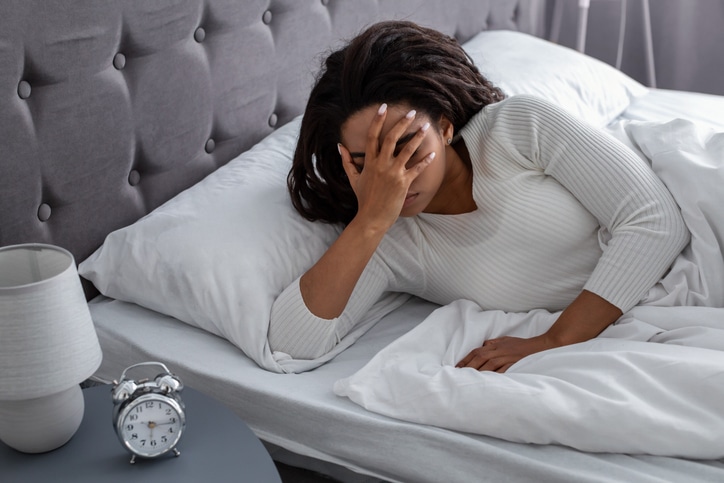
Many common allergy symptoms become even more frustrating at bedtime. As you lie down, changes in your body’s position can worsen congestion, making it difficult to breathe comfortably through your nose.
Some of the most common sleep-disrupting allergy symptoms include:
- Nasal congestion
- Postnasal drip
- Persistent coughing
- Itchy or watery eyes
- Sneezing
- Difficulty breathing comfortably during the night
Nasal congestion often causes people to breathe through their mouths while sleeping, which can lead to a dry throat and frequent waking. Postnasal drip may trigger coughing throughout the night, while itchy eyes and sneezing can make it difficult to relax enough to fall asleep.
Even if these symptoms do not completely wake you up, they may reduce the quality of your sleep, leaving you feeling tired the next morning.
The Connection Between Sleep and Inflammation
Sleep is one of the body’s most important periods of recovery. During healthy sleep, your immune system performs many of the functions that help regulate inflammation and support overall health.
When sleep is interrupted or consistently shortened, those recovery processes become less effective. Research has shown that poor sleep can increase inflammatory activity within the body. For people with allergies, this may contribute to stronger or more noticeable symptoms.
Although poor sleep does not create allergies, it can make existing symptoms feel more difficult to manage. Congestion, itching, fatigue, and overall discomfort may seem more intense after several nights of inadequate sleep.
This cycle can become frustrating. Allergy symptoms interrupt sleep, and poor sleep can make allergy symptoms feel worse the following day.
Signs Poor Sleep May Be Affecting Your Allergies
It is not always easy to recognize when poor sleep is contributing to how you feel. Sometimes people assume their allergies are simply getting worse when, in reality, sleep deprivation is also playing a role.
Some common signs include:
- Feeling unusually tired throughout the day
- Brain fog or difficulty thinking clearly
- Increased irritability
- More noticeable allergy symptoms
- Reduced productivity at work or school
- Difficulty concentrating
- Feeling less motivated to complete daily activities
If these issues continue despite getting what seems like enough time in bed, allergy-related sleep disruption may be contributing to the problem.
Why Children May Be Especially Affected
Children often experience many of the same nighttime allergy symptoms as adults, but the effects of poor sleep can be even more noticeable.
Congestion may make it difficult for children to sleep soundly, leading to frequent waking or restless sleep throughout the night. The following day, they may struggle with:
- Paying attention in school
- Completing assignments
- Mood changes or irritability
- Lower energy levels
- Difficulty concentrating
- Behavioral challenges that stem from fatigue
Parents sometimes overlook allergies as a possible cause of these issues, especially if symptoms occur throughout much of the year. If your child regularly experiences nighttime congestion, snoring related to nasal blockage, or ongoing fatigue, it may be time to consult an allergy specialist in Pittsburgh for comprehensive evaluation and treatment.
Improving Sleep When You Have Allergies
While medical treatment may be necessary for long-term symptom control, several simple habits can also help reduce allergen exposure before bedtime.
Consider incorporating these strategies into your evening routine:
Shower Before Bed
Pollen can easily collect on your hair and skin throughout the day. Showering before bedtime helps remove allergens before they reach your pillow.
Wash Bedding Regularly
Sheets, pillowcases, and blankets can collect pollen, dust mites, and pet dander. Washing bedding weekly in hot water helps reduce allergen buildup.
Use Air Filtration
High-quality air filtration systems or HEPA air purifiers may help reduce airborne allergens inside your home, particularly in the bedroom.
Keep Pets Out of the Bedroom
Even if you are not allergic to your pet, animals often carry pollen and other outdoor allergens indoors on their fur.
Monitor Indoor Allergens
Dust, mold, and pet dander can all contribute to nighttime allergy symptoms. Keeping bedrooms clean and controlling humidity may help reduce exposure.
Follow Your Treatment Plan
If your healthcare provider has recommended medications or other therapies, consistently following that plan can help keep symptoms under better control. Effective allergy treatment that Pittsburgh patients receive often combines environmental changes with personalized medical care.
When to See an Allergy Doctor
Occasional allergy symptoms may improve with over-the-counter medications or seasonal changes. However, persistent symptoms that continue to interfere with your sleep deserve further evaluation.
You should consider seeing an allergy specialist if you experience:
- Frequent nighttime allergy symptoms
- Chronic nasal congestion
- Fatigue despite getting enough hours of sleep
- Ongoing brain fog or difficulty concentrating
- Over-the-counter medications that no longer provide adequate relief
- Allergy symptoms that interfere with work, school, or daily life
An allergy evaluation can help identify the specific triggers causing your symptoms. Once those triggers are identified, your provider can develop a treatment plan that meets your needs.
Better Sleep Starts with Better Allergy Management
Sleep and allergies influence one another more than many people realize. Allergies can make it difficult to get restful sleep, while poor sleep can increase inflammation and make symptoms feel more severe.
Improving your sleep often starts with identifying the allergies that are disrupting it. With the right diagnosis and treatment plan, many people experience better symptom control, more restful nights, and improved energy throughout the day.
If allergy symptoms are affecting your sleep, the specialists at Allergy & Clinical Immunology can help identify your triggers and recommend a personalized treatment plan to help you sleep better and feel your best. Call today to schedule an appointment.