The holiday season brings extended periods of time indoors, frequent visitors, and disruptions to normal household routines. While gatherings are an essential part of winter, they can also contribute to an increase in indoor allergens. Dust, mold spores, and other winter allergy triggers can build up quickly—especially in homes that are sealed up against the cold.
For individuals and families who experience post-holiday allergies, taking time to “detox” the home after winter gatherings can help reduce symptoms and improve indoor air quality. Understanding how allergens accumulate during the holidays is the first step toward managing them effectively.
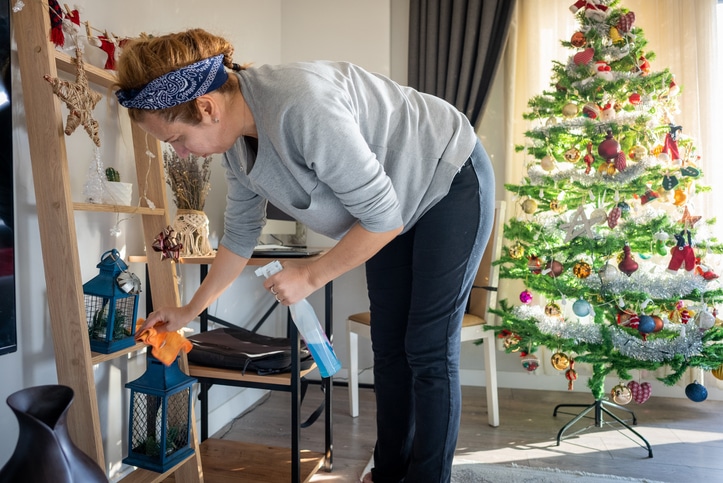 Post-Holiday Cleaning Tips to Reduce Allergens
Holiday activities introduce several common allergy triggers into the home. Extra foot traffic brings in outdoor debris, decorations collect dust while in storage and use, and cooking increases indoor humidity. A focused cleaning approach can help reduce these issues without requiring an overhaul of your entire home.
During holiday gatherings, entryways, living rooms, and dining spaces see more activity than usual. Shoes, coats, and bags can introduce dust, pollen remnants, and other particles that settle into carpets and furniture.
- Vacuum all carpets and rugs using a vacuum that is equipped HEPA filter to trap fine particles.
- Mop hard floors to remove dust that sweeping alone may leave behind.
- Clean baseboards, window sills, and door frames where dust often accumulates unnoticed.
- Upholstered furniture should also be vacuumed thoroughly, including cushions and seams, where dust mites commonly settle.
Wash and Store Holiday Fabrics Properly
Seasonal items, like table linens, tree skirts, throw blankets, and decorative pillows, often collect dust during both use and storage. Before putting them away, wash all fabric items according to the manufacturer’s instructions.
Once clean, store them in sealed containers rather than cardboard boxes, which can harbor dust and moisture. This helps prevent allergens from spreading the next time decorations are brought out.
Clean Decorative and Storage Areas
Holiday décor, especially artificial trees, wreaths, and garlands, can hold significant amounts of dust. Wipe down non-fabric decorations with a damp cloth before storing them.
Storage areas such as basements, closets, and attics should also be checked for dust buildup and moisture. These spaces are familiar sources of mold in winter, particularly if ventilation is limited.
Manage Moisture to Limit Mold Growth
Winter homes are often tightly sealed, which can trap humidity from cooking, showers, and gatherings. Excess moisture creates conditions that allow mold to grow, even during cold months.
- Use exhaust fans in kitchens and bathrooms consistently.
- Check under sinks and around windows for signs of condensation or leaks.
- Empty and clean humidifiers regularly, following manufacturer guidelines.
- Reducing moisture helps limit mold spores, which are a frequent cause of winter allergy symptoms.
Improving Indoor Air Quality After the Holidays
Beyond surface cleaning throughout the home, improving indoor air quality is a crucial step in managing dust allergies and mold during winter. Indoor air can become stagnant during colder months when windows stay closed, and heating systems run continuously.
Replace Furnace and HVAC Filters
Heating systems are used to circulate air throughout your home, and dirty filters can redistribute dust, pet dander, and mold spores. After the holidays, replacing your furnace or HVAC filter can help remove accumulated allergens.
High-efficiency filters designed to capture smaller particles may be beneficial for allergy-prone households. Changing filters every one to three months during the heating season is generally recommended.
Increase Ventilation When Possible
While opening windows isn’t always practical in winter, even short periods of ventilation can help refresh indoor air when the weather allows. Bathroom and kitchen fans also play an important role in removing airborne moisture and odors that contribute to indoor air quality issues.
If your home uses air purifiers, ensure they are appropriately sized for the room and that filters are maintained regularly.
Focus on Bedrooms and Sleeping Areas
Because people spend many hours sleeping, allergens in bedrooms can have a major impact on symptoms. Wash bedding weekly in hot water, including pillowcases and mattress covers.
Consider using allergen-resistant covers for your mattresses and pillows, especially for individuals with known allergies to dust or asthma. Keeping the bedrooms free of clutter also reduces the number of surfaces where dust can collect.
When to See an Allergy Doctor
While post-holiday cleaning and air quality improvements can reduce exposure to allergens, symptoms may persist for some individuals. Ongoing congestion, coughing, wheezing, itchy eyes, or increased asthma symptoms during winter may indicate an underlying allergy issue that requires professional care.
An allergy doctor can help identify specific winter allergy triggers, like dust mites or mold, through testing and evaluation. Treatment options may include environmental recommendations, medication management, or long-term allergy therapies customized to meet the patient’s needs.
For Pittsburgh-area residents experiencing post-holiday allergies, consulting an allergy doctor can provide clarity and relief during the winter months. Addressing allergy symptoms early can help prevent complications and improve overall comfort at home.
Supporting Healthier Homes All Winter Long
Winter allergy triggers don’t end when the decorations come down. Taking a proactive approach to reducing dust and mold after holiday gatherings can help maintain better indoor air quality throughout the months of January and February. With consistent cleaning habits and professional guidance when needed from Allergy & Clinical Immunology Associates, allergy-prone households can navigate winter more comfortably.
If you or your family continue to experience allergy symptoms despite home efforts, reaching out to our experienced allergy specialists can be an important next step.