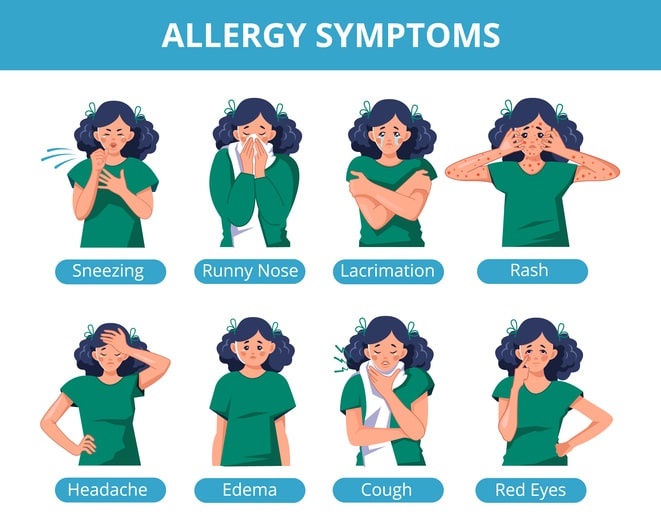
When most people think of allergies, they picture symptoms such as sneezing, nasal congestion, or itchy eyes. While these are common symptoms, allergic reactions often affect more than just the sinuses. For many individuals, allergies can affect multiple body systems, resulting in symptoms that may not immediately appear to be allergy-related.
Understanding how allergies can affect the body as a whole is a crucial step toward identifying the cause of ongoing symptoms and finding effective treatment. An allergy doctor can help evaluate these systemic effects through testing and personalized care.
 How Allergies Trigger Widespread Symptoms
Allergies occur when the immune system overreacts to a substance that is typically harmless, such as pollen, mold, dust mites, foods, or pet dander. This immune response releases chemicals, such as histamine, into the body. While histamine is best known for causing nasal and skin symptoms, it can also affect the nervous system, digestive tract, and overall energy levels.
Because allergic inflammation does not stay confined to one area, symptoms may appear throughout the body—sometimes in ways that are easy to overlook or misattribute to other causes.
Fatigue and Brain Fog
Persistent tiredness and difficulty concentrating are common complaints among people with uncontrolled allergies. Chronic inflammation places stress on the immune system, which can contribute to ongoing fatigue. Poor sleep caused by nighttime congestion or sinus pressure can further worsen daytime exhaustion.
Some individuals also experience what is often described as “brain fog,” including slowed thinking, trouble focusing, or memory lapses. These symptoms may be related to inflammatory chemicals affecting the central nervous system or disrupted sleep patterns caused by allergy symptoms.
Headaches and Sinus Pressure
Allergic inflammation can cause swelling in the nasal passages and sinuses, leading to pressure, facial discomfort, and headaches. These headaches may be mistaken for migraines or tension headaches, especially when they occur frequently.
When sinus-related headaches are driven by allergies, addressing the underlying allergic trigger rather than only treating pain symptoms can provide more lasting relief.
Digestive Symptoms Linked to Allergies
The digestive system can also be affected by allergic responses. Food allergies are a well-known cause of gastrointestinal symptoms; however, environmental allergies may also contribute to digestive discomfort.
Symptoms may include:
- Abdominal pain or cramping
- Nausea
- Diarrhea or constipation
- Bloating
In some cases, these symptoms occur alongside more familiar allergy signs, making it easier to identify the connection. In others, digestive symptoms may be the primary concern, delaying an allergy diagnosis.
Skin Changes Beyond Rashes
Skin reactions are another example of how allergies extend beyond the nose. Eczema, hives, and unexplained itching can all be linked to allergic triggers. These symptoms may flare seasonally or worsen after exposure to specific allergens.
Chronic skin irritation may indicate an underlying allergic condition that has not been fully evaluated, particularly when over-the-counter treatments provide limited relief.
Why Allergy Symptoms Can Feel So Severe
For many patients, systemic allergy symptoms build gradually and worsen over time. Ongoing exposure to allergens can lead to increased inflammation throughout the body, resulting in symptoms that interfere with daily activities, work, and sleep.
If allergies are affecting multiple areas of life, explore why the symptoms persist or are challenging to manage.
The Role of an Allergy Doctor in Identifying Root Causes
Because systemic allergy symptoms can overlap with those of other medical conditions, a professional evaluation is essential. An allergy doctor can help determine whether symptoms across different body systems share a common allergic cause.
Evaluation may include:
- A detailed medical history and symptom review
- Skin or blood testing to identify specific allergens
- Assessment of environmental, seasonal, or dietary triggers
By identifying the source of allergic reactions, treatment can be more targeted and effective.
Treatment Options That Address the Whole Body
Managing systemic allergy symptoms often requires more than treating isolated complaints. Depending on the diagnosis, treatment plans may include:
- Environmental control strategies to reduce allergen exposure
- Medications to control inflammation and immune responses
- Allergy immunotherapy (allergy shots or drops) to reduce sensitivity over time
The goal is not only to reduce symptoms but also to improve overall quality of life by addressing the underlying immune response.
Allergies and Their Impact on Daily Life
When allergies affect multiple systems, they can influence energy levels, mood, productivity, and physical comfort. Over time, untreated symptoms may limit participation in activities or affect overall well-being.
When to Seek Professional Evaluation From Allergy & Clinical Immunology Associates
If you experience ongoing fatigue, headaches, digestive discomfort, or skin symptoms in conjunction with traditional allergy symptoms, it may be time to consult an allergy specialist. Identifying allergic triggers early can help prevent symptoms from becoming more disruptive over time.
Our allergy doctors can provide clarity, testing, and treatment options designed to manage symptoms throughout the body. Call us today to learn more about managing your allergies.