When summer allergy symptoms appear, many people first blame pollen. Grass, weeds, and tree pollen can all cause sneezing, congestion, and itchy eyes. However, pollen is not the only outdoor allergy trigger that can make summer uncomfortable.
Outdoor mold is another common cause of seasonal allergy symptoms, and it is often overlooked. Mold can grow in damp, shaded, and decaying organic materials, which are common in yards, gardens, wooded areas, and landscaped spaces. During Pittsburgh’s humid summer months, outdoor mold can become more noticeable for people who are sensitive to it.
If your symptoms linger after pollen counts drop, or if they worsen after rain, yard work, or time in damp outdoor areas, mold may be part of the problem. Understanding where outdoor mold grows and how it affects the body can help you reduce exposure and know when to see an allergy doctor in Pittsburgh.
What Is Outdoor Mold?
Mold is a type of fungus that thrives in damp environments. Outdoors, mold helps break down organic material such as leaves, soil, wood, mulch, and plants. While this is part of a natural process, it can create problems for people with mold allergies.
Mold reproduces by releasing tiny spores into the air. These spores are small enough to be inhaled. When someone with mold allergies inhales mold spores, the immune system may react as though they are harmful, leading to symptoms in the nose, eyes, throat, and lungs.
Outdoor mold can appear at different times of the year, but it often becomes more noticeable during warm, humid weather. Summer conditions can support mold growth, especially after rain or in areas that do not dry quickly. In a region like Pittsburgh, where summer weather can be humid and rainy, mold can be a recurring seasonal trigger.
Unlike pollen, mold does not always follow a simple seasonal pattern. Mold levels may rise after damp weather, in shaded areas, or wherever decaying vegetation is present, making mold allergies harder to recognize without testing.
Common Places Outdoor Mold Thrives
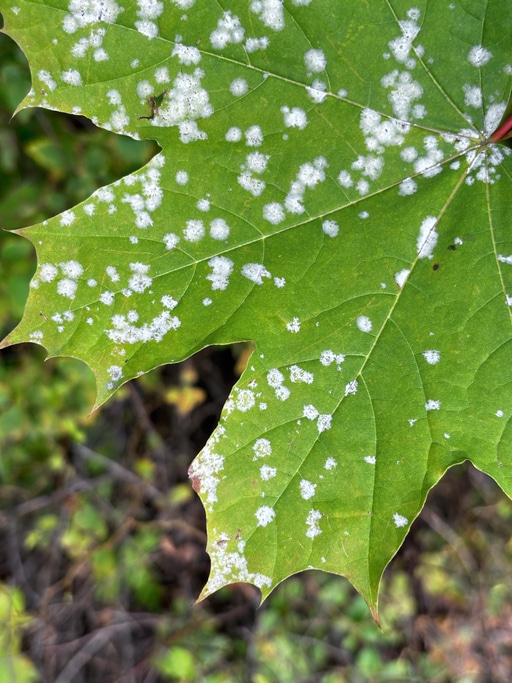
Outdoor mold can grow in many places around a home, yard, garden, or wooded area. Homeowners, gardeners, parents, and outdoor enthusiasts may come into contact with mold without realizing it.
Mulch beds are one common source. Mulch helps retain moisture around plants, but that same moisture can support mold growth. People who spend time planting, weeding, or working near mulch may notice symptoms afterward.
Garden soil can also contain mold spores, especially when damp. Digging, planting, or turning soil can disturb spores and release them into the air.
Compost piles are another common source of mold because they contain decaying organic material. Turning compost can send mold spores into the air, increasing exposure for anyone nearby.
Leaf piles can also hold moisture and support mold growth, which can be a problem in late summer and fall, but damp leaves may collect in shaded areas throughout the warmer months as well.
Damp wood, including logs, old boards, decks, fencing, and wooded areas, may also support mold growth. Shady landscaping areas can create similar conditions because they often stay damp longer after rain.
Decaying vegetation is another place where mold can thrive. Dead plants, rotting fruit, grass clippings, and plant debris can all contribute to mold exposure outdoors.
Symptoms of a Mold Allergy
Mold allergy symptoms can look very similar to those of other seasonal allergies, which is one reason mold is often missed as a trigger.
Common symptoms may include sneezing, a runny nose, nasal congestion, itchy or watery eyes, coughing, and throat irritation. Some people also notice postnasal drip, sinus pressure, or fatigue when symptoms persist.
For individuals with asthma, mold exposure can be a key concern. Mold spores may contribute to coughing, wheezing, chest tightness, or shortness of breath in people whose asthma is triggered by environmental allergens.
Children with allergies or asthma may also react to outdoor mold. Parents may notice symptoms after outdoor play, sports, gardening, park visits, or time spent in damp areas.
Because mold symptoms can overlap with pollen allergies, colds, sinus issues, and asthma, it is not always easy to identify the cause based on symptoms alone.
Why Mold Allergies Are Often Mistaken for Pollen Allergies
Many people assume summer allergy symptoms are caused by pollen because pollen is widely discussed during allergy season. While pollen may be part of the problem, it is not always the only trigger.
Mold allergies and pollen allergies can cause many of the same symptoms. Sneezing, congestion, itchy eyes, coughing, and postnasal drip can occur with either trigger. Without allergy testing, it can be difficult to know which allergen is causing symptoms.
The timing can also overlap. Outdoor mold and pollen may both be present in the summer, meaning a person can react to more than one allergen at the same time. When this happens, symptoms may feel more intense or harder to control.
Weather can add to the confusion. Rain may temporarily lower some pollen levels, but damp conditions can encourage mold growth. If your symptoms worsen after rain, while gardening, or when spending time near mulch, soil, leaves, or wooded areas, mold sensitivity may be worth considering. Learning more about how damp outdoor areas can trigger mold allergies can help you recognize patterns in your symptoms.
Tips for Reducing Outdoor Mold Exposure
You may not be able to avoid outdoor mold entirely, but you can take steps to reduce your exposure.
If you garden or work in the yard, wear gloves when handling soil, mulch, leaves, or plant debris, which can help limit direct contact with mold and other irritants.
Try to avoid turning compost piles if you are sensitive to mold. Compost can release spores when disturbed. If compost work is necessary, consider having someone else handle it or take precautions to reduce exposure.
Limit time in damp outdoor areas after heavy rain. Mold growth may be more noticeable when soil, mulch, leaves, or vegetation stay wet.
Remove decaying vegetation from around the yard when possible. Clearing dead plants, old leaves, and damp debris can help reduce areas where mold may grow.
After yard work, gardening, or time in areas where mold may be present, shower and change clothes to help remove spores from your skin, hair, and clothing.
Keep windows closed on days when mold counts are high or when outdoor conditions are damp and humid, which may help keep outdoor spores from entering your home. If symptoms continue indoors, it may also be worth learning how hidden mold can worsen allergies, especially when dampness is present inside the home.
When to See an Allergy Doctor
If your symptoms continue despite over-the-counter treatment, it may be time to see an allergy specialist. Persistent congestion, sneezing, coughing, itchy eyes, or sinus symptoms can affect your daily comfort and may require a more targeted approach.
You should also consider a medical evaluation if asthma symptoms worsen outdoors. Chest tightness, wheezing, coughing, or shortness of breath after exposure to damp areas, mulch, compost, or yard debris should not be ignored.
An allergy doctor can help identify whether mold is one of your triggers. Allergy testing may also show whether you are reacting to pollen, dust mites, pet dander, or other environmental allergens at the same time.
Once your triggers are identified, your specialist can recommend an allergy treatment plan based on your symptoms, health history, and lifestyle, which may include avoidance strategies, medication guidance, asthma management when needed, or other treatment options.
Mold May Be Part of Your Summer Allergy Symptoms
Outdoor mold is a common summer allergy trigger, but it is easy to overlook. Many people focus on pollen while spending time around mulch, soil, compost, damp wood, leaf piles, and shaded landscaping areas that may contain mold spores.
If your symptoms seem worse after rain, yard work, gardening, or time in damp outdoor spaces, mold allergies may be worth discussing with a specialist. With the right diagnosis and management plan, you can better understand your triggers and take practical steps to reduce exposure.
Not sure if mold is triggering your allergy symptoms? Schedule an appointment with Allergy & Clinical Immunology to identify your triggers and find long-term relief.